Buy chance4change.eu ?
We are moving the project
chance4change.eu .
Are you interested in purchasing the domain
chance4change.eu ?
domain@kv-gmbh.de · 0541-91531010
Buy chance4change.eu ?
How do the abiotic environmental factors temperature, light, and water affect the ocean?
Temperature, light, and water are critical abiotic environmental factors that affect the ocean in various ways. Temperature influences the distribution and behavior of marine organisms, as well as the ocean's circulation patterns. Light availability affects photosynthesis and primary production, which in turn impacts the entire marine food web. Water availability, in the form of salinity and nutrient content, influences the density and composition of marine life. Overall, these abiotic factors play a crucial role in shaping the physical and biological characteristics of the ocean ecosystem. **
What are abiotic factors in ecology?
Abiotic factors in ecology are non-living components of an ecosystem that can influence the living organisms within it. These factors include physical and chemical elements such as temperature, sunlight, water, soil, air, and nutrients. Abiotic factors play a crucial role in shaping the environment and determining the types of organisms that can survive in a particular ecosystem. They can also affect the distribution, behavior, and abundance of species within an ecosystem. **

Similar search terms for Abiotic Water
Top-Angebote
Products related to Abiotic Water:
-
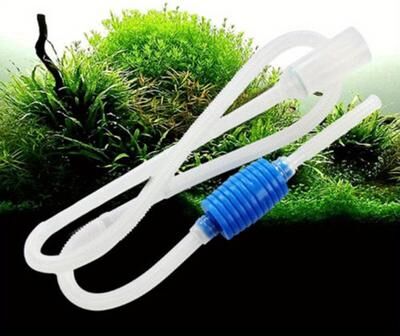
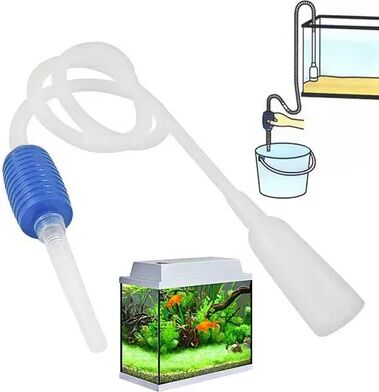
Smart Shopping Spot Premium Semi Automatic Aquarium Gravel Cleaner Vacuum Pump Easy Fish Tank Water Change Premium Semi Automatic Aquarium Gravel Cleaner Vacuum Pump Easy Fish Tank Water ChangeTransform your fish tank maintenance into a quick and stressfree task with this aquarium 1pc gravel cleaner. Designed for both beginners and seasoned aquarists, it effortlessly removes debris and changes water without disturbing your aquatic pets....29,97 $*Shipping: 0,00 $Secure redirect to the provider
-
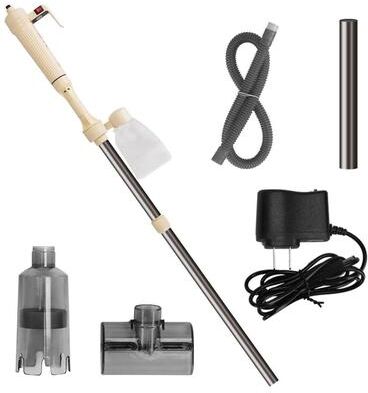
Multicon Wholesale Hub Automatic Electric Aquarium Vacuum Cleaner, Gravel Cleaner Adjustable, Fish Tank Cleaner For Efficient Water Change Automatic Electric Aquarium Vacuum Cleaner, Gravel Cleaner Adjustable, Fish Tank Cleaner For Efficient Water ChangeTransform your aquarium cleaning routine with our Electric Aquarium Vacuum that provides a powerful and efficient cleaning experience. Designed to offer ease and convenience, this gravel cleaner adjustable kit is perfect for aquarists looking for a...73,97 $*Shipping: 0,00 $Secure redirect to the provider
-
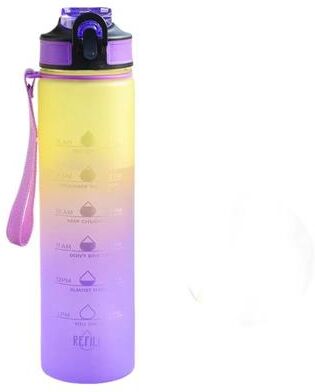
Inspired Finds Summer High Value Gradual Change Sports Outdoor Water Cup With Portable Rope blueStay refreshed and hydrated in style with this summer high value gradual change sports outdoor water cup, designed for everyday use and active lifestyles. Perfect for men and women on the go, the cup features a vibrant colorchanging appearance that...34,99 $*Shipping: 0,00 $Secure redirect to the provider
-
Inspired Finds Growth Mindset Poster Therapy Office Wall Art Social Worker Decor Print positive Progress Rays 11.81x15.75 InCreate a space that inspires growth, reflection, and positivity with this meaningful growth mindset poster designed for professionals who care deeply about impact. Whether you're a counselor, therapist, or educator, this piece adds purpose to your...45,99 $*Shipping: 0,00 $Secure redirect to the provider


-
What are abiotic factors in the Antarctic?
Abiotic factors in the Antarctic include extreme cold temperatures, strong winds, low precipitation, and high levels of ultraviolet radiation due to the hole in the ozone layer. The frozen landscape is also a significant abiotic factor, as the ice and snow cover much of the continent. These abiotic factors create a harsh environment that shapes the unique ecosystems and limits the types of organisms that can survive in the Antarctic. **
-
What are abiotic and biotic factors for humans?
Abiotic factors for humans include non-living elements such as air quality, temperature, and sunlight exposure. These factors can directly impact human health and well-being. Biotic factors for humans involve living organisms that interact with humans, such as pathogens, parasites, and symbiotic organisms like gut bacteria. These factors can also have significant effects on human health and disease. **
-
What are application tasks related to abiotic factors?
Application tasks related to abiotic factors involve studying the impact of non-living elements such as temperature, water availability, soil composition, and sunlight on various ecosystems. Researchers may investigate how changes in these abiotic factors affect plant growth, animal behavior, and overall ecosystem health. Understanding these relationships is crucial for predicting and managing the effects of climate change, land use changes, and other environmental disturbances on ecosystems. By studying abiotic factors, scientists can develop strategies to conserve biodiversity, restore degraded habitats, and promote sustainable resource management. **
-
What biotic and abiotic factors affect the wolf?
Biotic factors that affect the wolf include the availability of prey species such as deer, elk, and moose, as well as competition with other predators like bears and cougars. Additionally, the presence of other wolf packs can also impact their territory and hunting success. Abiotic factors that affect wolves include climate, temperature, and the availability of water sources. Harsh winters and limited access to water can impact their ability to survive and thrive in their environment. **

What are abiotic and biotic factors in biology?
Abiotic factors in biology are non-living components of an ecosystem, such as temperature, sunlight, water, and soil. These factors can have a significant impact on the organisms living in the ecosystem. Biotic factors, on the other hand, are living components of an ecosystem, including plants, animals, fungi, and microorganisms. These factors interact with each other and with the abiotic factors to create a complex and dynamic environment. Both abiotic and biotic factors play crucial roles in shaping the structure and function of ecosystems. **
What do abiotic and biotic environmental factors mean?
Abiotic environmental factors refer to non-living components of an ecosystem, such as temperature, sunlight, water, and soil. These factors can have a significant impact on the survival and distribution of living organisms within an ecosystem. Biotic environmental factors, on the other hand, refer to the living components of an ecosystem, including plants, animals, and microorganisms. These factors can also influence the dynamics of an ecosystem through interactions such as predation, competition, and symbiosis. Both abiotic and biotic factors play crucial roles in shaping the structure and function of ecosystems. **
Top-Angebote
Products related to Abiotic Water:
-
HARPERCOLLINS Creative Confidence by Tom & David Kelley – Unleashing Your Creative Potential & Innovation MindsetA powerful and inspiring book from the founders of IDEO, the award-winning design firm, on unleashing the creativity that lies within each and every one of us. Too often, companies and individuals assume that creativity and innovation are the domain of the ‘creative types’. But two of the foremost experts in innovation, design and creativity on the planet show us that each and every one of us is creative. In an entertaining and inspiring narrative that draws on countless stories from their work at IDEO, and with many of the world's top companies and design firms, David and Tom Kelley identify the principles and strategies that will allow us to tap into our creative potential in our work lives, and in our personal lives, allow us to think outside the box in terms of how we approach and solve problems. ‘Creative Confidence’ is a book that will help each of us be more productive and successful in our lives and in our careers.4,95 £*Shipping: 1,99 £Secure redirect to the provider
-
Multisell Products Hub Aquarium Water Changer Tool, Gravel Sand Cleaner For Fish Tank Water Change, Home Fish Cleaning Supplies Aquarium Water Changer Tool, Gravel Sand Cleaner For Fish Tank Water Change, Home Fish Cleaning SuppliesEfficient and Easy Water Changes for Your Aquarium The Aquarium Water Changer 1 pc is the perfect tool to maintain a clean and healthy environment for your fish. Designed for gravel and sand cleaning, this tool makes water changes a breeze. Say...34,97 $*Shipping: 0,00 $Secure redirect to the provider
-
Smart Shopping Spot Premium Semi Automatic Aquarium Gravel Cleaner Vacuum Pump Easy Fish Tank Water Change Premium Semi Automatic Aquarium Gravel Cleaner Vacuum Pump Easy Fish Tank Water ChangeTransform your fish tank maintenance into a quick and stressfree task with this aquarium 1pc gravel cleaner. Designed for both beginners and seasoned aquarists, it effortlessly removes debris and changes water without disturbing your aquatic pets....29,97 $*Shipping: 0,00 $Secure redirect to the provider
-
Multicon Wholesale Hub Automatic Electric Aquarium Vacuum Cleaner, Gravel Cleaner Adjustable, Fish Tank Cleaner For Efficient Water Change Automatic Electric Aquarium Vacuum Cleaner, Gravel Cleaner Adjustable, Fish Tank Cleaner For Efficient Water ChangeTransform your aquarium cleaning routine with our Electric Aquarium Vacuum that provides a powerful and efficient cleaning experience. Designed to offer ease and convenience, this gravel cleaner adjustable kit is perfect for aquarists looking for a...73,97 $*Shipping: 0,00 $Secure redirect to the provider
-
How do the abiotic environmental factors temperature, light, and water affect the ocean?
Temperature, light, and water are critical abiotic environmental factors that affect the ocean in various ways. Temperature influences the distribution and behavior of marine organisms, as well as the ocean's circulation patterns. Light availability affects photosynthesis and primary production, which in turn impacts the entire marine food web. Water availability, in the form of salinity and nutrient content, influences the density and composition of marine life. Overall, these abiotic factors play a crucial role in shaping the physical and biological characteristics of the ocean ecosystem. **
-
What are abiotic factors in ecology?
Abiotic factors in ecology are non-living components of an ecosystem that can influence the living organisms within it. These factors include physical and chemical elements such as temperature, sunlight, water, soil, air, and nutrients. Abiotic factors play a crucial role in shaping the environment and determining the types of organisms that can survive in a particular ecosystem. They can also affect the distribution, behavior, and abundance of species within an ecosystem. **
-
What are abiotic factors in the Antarctic?
Abiotic factors in the Antarctic include extreme cold temperatures, strong winds, low precipitation, and high levels of ultraviolet radiation due to the hole in the ozone layer. The frozen landscape is also a significant abiotic factor, as the ice and snow cover much of the continent. These abiotic factors create a harsh environment that shapes the unique ecosystems and limits the types of organisms that can survive in the Antarctic. **
-
What are abiotic and biotic factors for humans?
Abiotic factors for humans include non-living elements such as air quality, temperature, and sunlight exposure. These factors can directly impact human health and well-being. Biotic factors for humans involve living organisms that interact with humans, such as pathogens, parasites, and symbiotic organisms like gut bacteria. These factors can also have significant effects on human health and disease. **
Similar search terms for Abiotic Water
-
Inspired Finds Summer High Value Gradual Change Sports Outdoor Water Cup With Portable Rope blueStay refreshed and hydrated in style with this summer high value gradual change sports outdoor water cup, designed for everyday use and active lifestyles. Perfect for men and women on the go, the cup features a vibrant colorchanging appearance that...34,99 $*Shipping: 0,00 $Secure redirect to the provider
-
Inspired Finds Growth Mindset Poster Therapy Office Wall Art Social Worker Decor Print positive Progress Rays 11.81x15.75 InCreate a space that inspires growth, reflection, and positivity with this meaningful growth mindset poster designed for professionals who care deeply about impact. Whether you're a counselor, therapist, or educator, this piece adds purpose to your...45,99 $*Shipping: 0,00 $Secure redirect to the provider
-
Inspired Finds Summer High Value Gradual Change Sports Outdoor Water Cup With Portable Rope greenStay refreshed and hydrated in style with this summer high value gradual change sports outdoor water cup, designed for everyday use and active lifestyles. Perfect for men and women on the go, the cup features a vibrant colorchanging appearance that...34,99 $*Shipping: 0,00 $Secure redirect to the provider
-
Inspired Finds Summer High Value Gradual Change Sports Outdoor Water Cup With Portable Rope yellowStay refreshed and hydrated in style with this summer high value gradual change sports outdoor water cup, designed for everyday use and active lifestyles. Perfect for men and women on the go, the cup features a vibrant colorchanging appearance that...34,99 $*Shipping: 0,00 $Secure redirect to the provider
-
What are application tasks related to abiotic factors?
Application tasks related to abiotic factors involve studying the impact of non-living elements such as temperature, water availability, soil composition, and sunlight on various ecosystems. Researchers may investigate how changes in these abiotic factors affect plant growth, animal behavior, and overall ecosystem health. Understanding these relationships is crucial for predicting and managing the effects of climate change, land use changes, and other environmental disturbances on ecosystems. By studying abiotic factors, scientists can develop strategies to conserve biodiversity, restore degraded habitats, and promote sustainable resource management. **
-
What biotic and abiotic factors affect the wolf?
Biotic factors that affect the wolf include the availability of prey species such as deer, elk, and moose, as well as competition with other predators like bears and cougars. Additionally, the presence of other wolf packs can also impact their territory and hunting success. Abiotic factors that affect wolves include climate, temperature, and the availability of water sources. Harsh winters and limited access to water can impact their ability to survive and thrive in their environment. **
-
What are abiotic and biotic factors in biology?
Abiotic factors in biology are non-living components of an ecosystem, such as temperature, sunlight, water, and soil. These factors can have a significant impact on the organisms living in the ecosystem. Biotic factors, on the other hand, are living components of an ecosystem, including plants, animals, fungi, and microorganisms. These factors interact with each other and with the abiotic factors to create a complex and dynamic environment. Both abiotic and biotic factors play crucial roles in shaping the structure and function of ecosystems. **
-
What do abiotic and biotic environmental factors mean?
Abiotic environmental factors refer to non-living components of an ecosystem, such as temperature, sunlight, water, and soil. These factors can have a significant impact on the survival and distribution of living organisms within an ecosystem. Biotic environmental factors, on the other hand, refer to the living components of an ecosystem, including plants, animals, and microorganisms. These factors can also influence the dynamics of an ecosystem through interactions such as predation, competition, and symbiosis. Both abiotic and biotic factors play crucial roles in shaping the structure and function of ecosystems. **
* All prices are inclusive of VAT and, if applicable, plus shipping costs. The offer information is based on the details provided by the respective shop and is updated through automated processes. Real-time updates do not occur, so deviations can occur in individual cases. ** Note: Parts of this content were created by AI.